

Understanding raid buffs and debuffs in World of Warcraft is vital for your group’s success. Buffs, like a Paladin’s “Aura of Mercy” and Warrior’s “Battle Shout,” enhance healing and damage, respectively. Debuffs, such as “Sunder Armor,” reduce enemy defenses, increasing your damage output. Strategic stacking and cooldown synchronization maximize these effects—use add-ons to track durations for best reapplication. Synergies, like combining a Discipline Priest’s “Power Word: Barrier” with a Paladin’s “Devotion Aura,” can boost raid efficiency by up to 15%. With precise management and communication, you’ll turn chaotic runs into seamless victories. Ready to elevate your raid performance?
Key Takeaways
- Buff Types: Key buffs include healing, damage, critical strike, resource management, and defensive enhancements.
- Debuff Effects: Essential debuffs encompass damage over time, armor reduction, magic vulnerability, and healing reduction.
- Buff Stacking: Ensure complementary effects without overlap for optimal raid performance.
- Debuff Timing: Precise reapplications of debuffs boost overall damage and raid efficiency.
- Class Synergies: Combining specific class abilities can increase raid DPS and improve overall team survivability.
What Are Raid Buffs?
In World of Warcraft, raid buffs play an essential role in enhancing a group’s performance during challenging encounters. These buffs are special effects that improve your team’s capabilities, such as damage output, healing efficiency, or defensive strength. Effective buff maintenance is vital to maximizing your raid’s overall potential.

Raid buffs can be categorized into several types, each providing unique benefits. Examples include improvements in staminas, like Power Word: Fortitude; enhancements in attack power, such as Battle Shout; or mana regeneration boosts, like Arcane Intellect. Buff maintenance involves ensuring these effects are continually active throughout the raid, requiring disciplined management from each player involved.
In terms of raid versatility, having a variety of buffs available can mean the difference between success and failure in high-stakes encounters. A well-balanced raid group should aim to cover all possible buffs to synergize effectively. Data shows that the cumulative effect of these buffs can increase overall raid performance by substantial margins, often translating to faster boss kills and higher survival rates.
Key Raid Buff Abilities
Maximizing raid performance hinges not just on having raid buffs, but on understanding the key abilities that provide these enhancements. Healing buffs, such as Paladin’s “Aura of Mercy,” greatly augment your group’s survivability by providing continuous, area-wide healing. Damage buffs are pivotal; for instance, Warrior’s “Battle Shout” boosts attack power, ensuring that DPS classes hit harder.
Critical strike buffs cannot be underestimated either. Mage’s “Arcane Intellect” not only increases intellect but indirectly boosts crit chances for casters. Resource management abilities like Druid’s “Innervate” keep mana-dependent healers and casters in the game longer, enhancing overall raid efficiency.
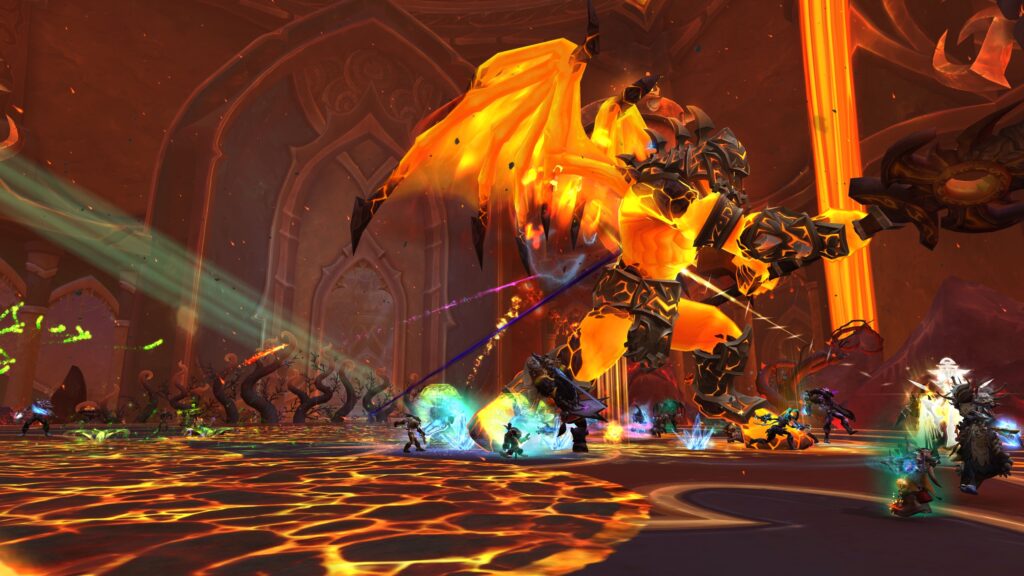
Crowd control spells like Hunter’s “Freezing Trap” and utility spells such as Shaman’s “Bloodlust” or “Heroism” can turn the tide of extended engagements. Defensive buffs like Priest’s “Power Word: Fortitude” greatly raise the stamina of all raid members, mitigating incoming damage.
Gear optimization and potion usage synergize with these key abilities. Ensuring every class role, from tank to DPS, is fully optimized with the right gear and consumables maximizes each member’s contribution. By mastering these key raid buff abilities, you can enhance your team’s effectiveness, survivability, and overall performance.
Understanding Raid Debuffs
Within the domain of World of Warcraft, understanding raid debuffs is essential to mastering high-level encounters. Debuffs are negative effects applied to enemies—and sometimes group members—that can drastically influence the outcome of a raid. Their mechanics dictate how they’re applied, the effects they cause, and how they interact with other game systems. For instance, debuff mechanisms often include damage over time (DoT), movement impairments, or damage amplification.
Debuff interactions play a significant role too. Some debuffs might stack, amplifying their effects, while others might overwrite or nullify existing ones. It’s important to know which debuffs synergize well and how to avoid redundancies. Proper debuff management can mean the difference between a smooth run and a chaotic wipe. Maintaining ideal uptime on essential debuffs requires careful monitoring and coordination among raid members.
Debuff duration varies based on the spell or ability used—lasting anywhere from a few seconds to minutes. Effective raid leaders keep track of these durations to avoid lapses that could grant enemies a moment of reprieve. To summarize, mastering debuff mechanics, interactions, and management is non-negotiable for high-level raid performance.
Essential Debuff Types
Understanding which debuffs are vital can notably influence your raid’s success. Debuffs come in various types, and knowing how each one impacts the fight is essential. Common debuff types include Damage Over Time (DoT), Armor Reduction, Magic Vulnerability, and Healing Reduction. Each serves a specific purpose, affecting different aspects of the enemy’s capabilities or survivability.
One important debuff type is Armor Reduction, which lowers the target’s physical defenses, making them more susceptible to damage from physical attacks. Example mechanics include Sunder Armor from Warriors or Expose Armor from Rogues. Data shows that applying these debuffs can boost overall raid DPS by up to 20%.
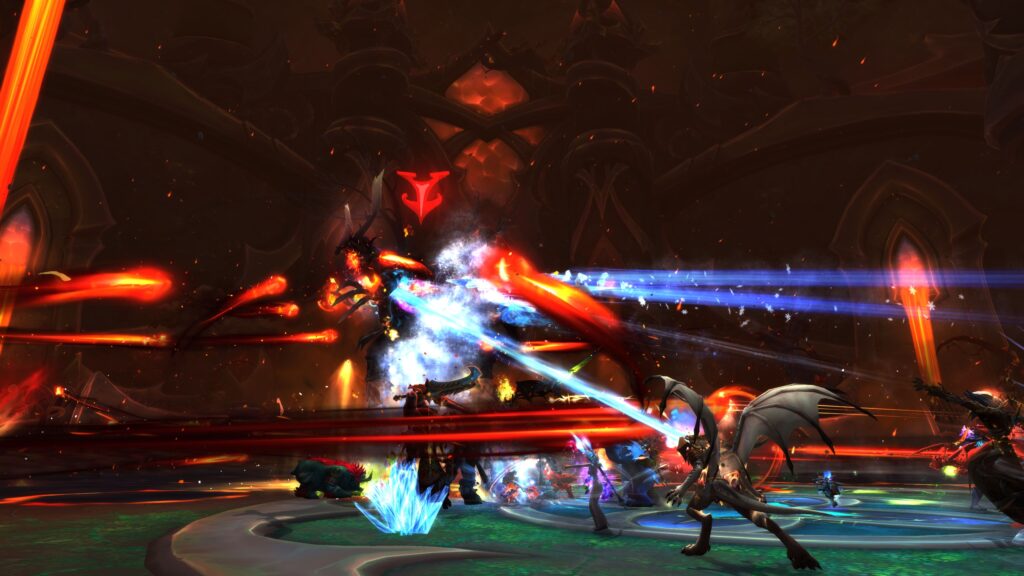
Another vital debuff type is Magic Vulnerability. This debuff increases the target’s damage taken from magic attacks, and it’s employed by classes like Warlocks with Curse of the Elements or Druids with Faerie Fire. Analytical observations suggest that it increases magic damage output by around 10-15%.
Healing Reduction debuffs, such as Mortal Strike from Warriors, reduce the healing received by the target. This debuff can be a game-changer in fights where you’re facing heavily healing-dependent bosses, cutting down their longevity considerably.
Mastering these debuff mechanics can elevate your raid performance, providing the edge needed for tactical superiority.
Synergizing Buffs and Debuffs
To optimize raid performance, you’ll need to strategically stack buffs to enhance overall damage and survivability. Debuff timing also plays a vital role, as applying them at the right moments can maximize their effectiveness. Leveraging class synergies allows you to create powerful combinations, making your raid group more efficient and formidable.
Buff Stacking Strategies
For maximizing raid performance in World of Warcraft, you’ll find that buff stacking strategies can greatly enhance your group’s effectiveness. Understanding buff management is essential as it guarantees you’re maximizing the potential gains from multiple sources. Interestingly, some buffs have stacking limits; that is, only the strongest buff of a particular type is applied if multiple versions exist.
When planning your raid composition, analyze which buffs stack and which do not. For instance, having multiple players cast the same buff when its effects don’t stack is inefficient. Instead, identify buffs that complement each other. A classic example is pairing a Warrior’s “Battle Shout” with a Shaman’s “Windfury Totem” and a Druid’s “Mark of the Wild.” This combination covers both power and utility without redundancy.
In addition, it’s vital to track your buffs using raid add-ons that visualize active buffs and their durations. These tools assist in maintaining peak uptime and quickly identifying when a buff drops off. Furthermore, communicate with your raid team to verify that everyone is utilizing cooldowns harmoniously to prevent overlapping and potentially wasting valuable time and resources. By mastering buff stacking strategies, your raids can achieve higher efficiency and overall performance.
Debuff Timing Optimization
Recognizing the importance of buff stacking strategies lays a solid foundation, yet equally critical is mastering debuff timing enhancement to maximize raid performance. You need to pay close attention to debuff durations and understand key moments when stacking debuffs can vastly increase overall DPS. By meticulously tracking when debuffs will expire and reapplying them with precision, you eliminate downtime that could otherwise reduce the raid’s efficacy.
To help with this, use the table below to synchronize some common debuffs among different classes, ensuring you capitalize on shared windows of vulnerability.
| Debuff Name | Duration | Reapply Threshold |
|---|---|---|
| Shadow Word: Pain | 18 seconds | 5 seconds |
| Rake | 15 seconds | 3 seconds |
| Serpent Sting | 15 seconds | 4 seconds |
| Rupture | 16 seconds | 2 seconds |
| Corruption | 14 seconds | 3 seconds |
Closely monitor these debuff durations and train your raid team to anticipate associations between buffs and debuffs. Debuff expectations should include consistent upkeep, synergy awareness, and precise timing to release burst phases effectively. Utilizing timers or add-ons can greatly aid in maintaining ideal debuff management, ensuring your group leverages every advantage possible.
Class Synergy Benefits
Class synergy benefits play a pivotal role in maximizing raid potential by effectively synchronizing buffs and debuffs. By understanding class synergy mechanics, you can enhance your raid’s performance and push through even the toughest encounters. The key lies in creating synergistic class compositions where the strengths of one class bolster the abilities of another.
Consider these critical synergies:
- Increased Damage Output: Combining a Feral Druid’s “Leader of the Pack” with a Windwalker Monk’s “Mystic Touch” can amplify physical damage markedly.
- Enhanced Survivability: Pairing a Discipline Priest’s “Power Word: Barrier” with a Paladin’s “Devotion Aura” reduces damage during raid-wide AoEs.
- Efficient Mana Management: Having a Shaman’s “Mana Tide Totem” in sync with a Priest’s “Hymn of Hope” guarantees sustained mana for healers.
- Cooldown Reduction: Utilizing a Mage’s “Time Warp” alongside a Shaman’s “Heroism” can decrease the cooldown time of powerful abilities, synchronizing burst windows.
Data shows that synergistic class compositions can boost overall raid DPS by up to 15% and considerably reduce downtime due to healer mana constraints. By leveraging these class synergy mechanics, you’re setting your raid up for maximum efficiency and success. Aim to build a team where each class augments the others, transforming individual strengths into collective power.
Pro Tips for Raiding
Mastering raid success hinges on timing your cooldowns precisely and fostering excellent team communication. Analyzing encounter timelines and syncing major cooldowns with peak damage phases can considerably boost overall raid performance. Consistent, clear communication guarantees that all team members coordinate their abilities efficiently, minimizing wasted potential and maximizing throughput.
Timing Cooldowns Effectively
Executing cooldowns at the perfect moment during a raid can be the deciding factor between success and failure, especially in the intricate world of World of Warcraft. Mastering cooldown coordination is essential for maximizing raid efficiency and achieving peak performance. Here are some key strategies to make the most of your cooldowns:
- Analyze Boss Timers: Study each boss’s ability timings to understand when high-damage phases or critical events occur. Utilize this data to synchronize abilities for ideal execution.
- Coordinate Group Cooldowns: Effective management involves ensuring not all major cooldowns are used simultaneously but are timed well throughout the encounter to maintain sustained pressure and survivability.
- Track Cooldown Usage: Utilize in-game addons or tools to monitor everyone’s cooldown utilization. This enhances timing strategies, providing detailed insights and ensuring no cooldown goes wasted.
- React to Raid State: Sometimes, the best-laid plans need adjustment. Be prepared to adapt your cooldown timings based on the current raid situation to maintain ideal raid efficiency.
Team Communication Strategies
During the chaos of a raid, team communication can make all the difference between a smooth victory and a disastrous wipe. Effective raid leadership hinges on using robust communication tools such as Discord or in-game voice chat, enabling real-time feedback loops and rapid strategy adjustments. Assign clear roles from the outset, ensuring everyone knows their specific tasks and responsibilities.
Utilize precise call outs to relay real-time information, such as incoming debuffs or boss mechanics. Coordination methods, like synchronized cooldowns and healing rotations, depend on split-second timing and clear directives. Information sharing enhances team cohesion; involve all members in strategy discussions and update everyone on potential changes.
Foster a culture of encouragement techniques; positive reinforcement strengthens morale. However, not all communication will be smooth. Efficient conflict resolution is essential—address disputes quickly and fairly to maintain focus. Always seek input and adapt based on performance metrics, optimizing future encounters.
Analyze raid logs and metrics to fine-tune tactics, enforcing role assignments that play to each member’s strengths. By prioritizing structured, transparent communication, you can transform a chaotic raid environment into a well-coordinated effort that maximizes success rates.
Frequently Asked Questions
How Do You Track Buff and Debuff Uptime During a Raid?
To track buff and debuff uptime, you’ll need buff tracking and debuff monitoring addons like WeakAuras or Details!. These tools help analyze your raid composition and maximize class synergy. Pay attention to cooldown management to guarantee buffs and debuffs are applied efficiently. Regularly monitor damage mitigation stats to understand how effectively your team is minimizing damage received. This data-driven approach guarantees peak performance in every encounter.
What Add-Ons Are Recommended for Managing Raid Buffs and Debuffs?
Balancing buffs and debuffs demands diligent dedication. For expert buff management and debuff tracking, consider using add-ons like WeakAuras, BigWigs, and DeadlyBossMods. WeakAuras lets you customize alerts for vital spells. BigWigs specializes in encounter-specific alerts, ensuring you’re always aware of essential statuses. DeadlyBossMods excels in providing precise timing and alerts, helping you manage both buffs and debuffs effectively. These tools provide data-driven insights for superior raid performance.
Are There Any Changes in Raid Buffs/Debuffs Across Expansions?
Yes, there are changes in raid buffs and debuffs across expansions. You’ll notice fluctuations in buff potency and debuff duration with each new release. Developers adjust these mechanics to balance gameplay and respond to player feedback. For example, certain buffs might be strengthened to contribute more considerably to overall damage, while some debuffs might have their duration reduced to maintain challenge levels. Always check patch notes for precise data.
How Do Battle Standards Influence Raid Buffs and Debuffs?
When you use battle standards in a raid, their mechanics provide extra buffs like increased health or damage to your group. These buffs can alter your raid strategy, allowing you to tackle harder content or optimize damage output. Analyzing their effective deployment can lead to significant raid success. Understanding the specific battle standards mechanics and their raid strategy implications helps you make data-driven decisions for maximum efficiency.
Can Racial Abilities Affect Raid-Wide Buffs or Debuffs?
Did you know that racial abilities can boost raid performance by an average of 5%? Racial synergy plays an essential role in raid-wide buffs or debuffs, influencing the overall effectiveness of your team. For instance, Troll Berserking increases casting speed, while Draenei’s Heroic Presence boosts hit chance. These abilities, combined with proper class interactions, create a powerful dynamic that enhances your raid’s strength. Analyze your team’s racial abilities for ideal results.
Conclusion
Mastering raid buffs and debuffs isn’t just vital; it’s transformative. By understanding key raid buff abilities, recognizing essential debuff types, and synergizing these elements effectively, you elevate your entire team’s performance. With data-driven decisions, analytical precision, and detail-oriented preparation, you’re not just participating; you’re optimizing, strategizing, and leading. Keep these insights close, apply them rigorously, and you’ll see marked improvement. It’s the details that shift outcomes, and your mastery that shapes success.
Like what you read? There’s more where that came from!