
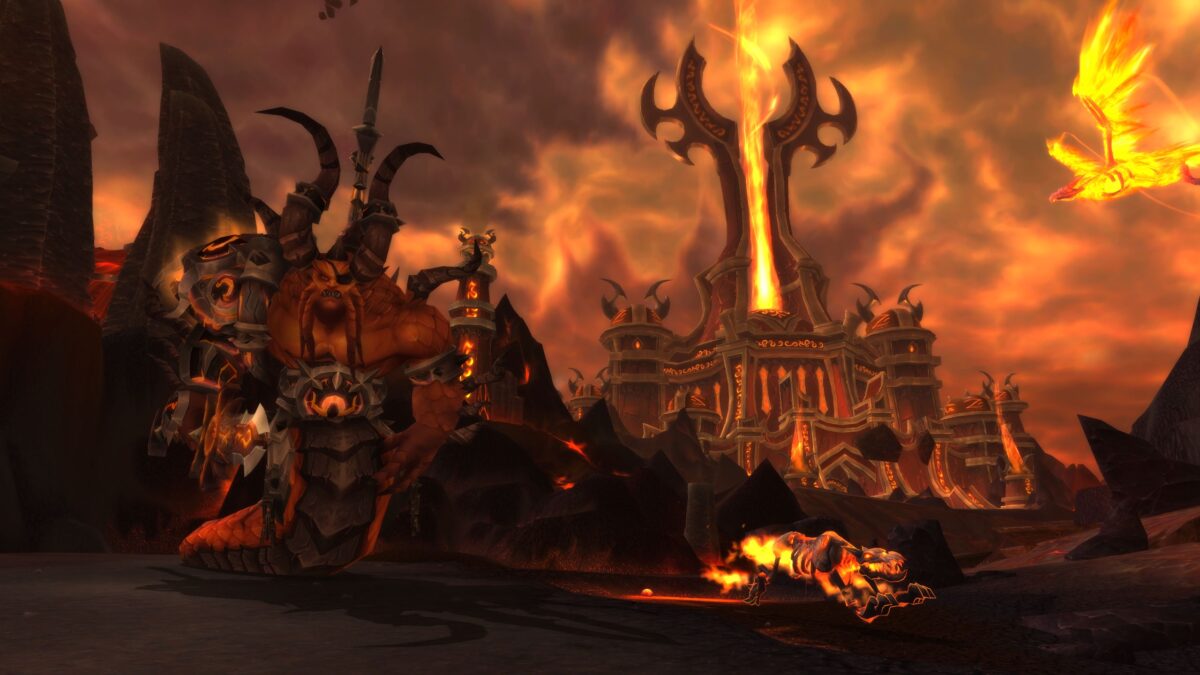
In World of Warcraft, mastering raid pacing is vital for a smooth and successful raid experience. You need to maintain a steady tempo and promptly respond to changes, which hinges on strong teamwork and communication. Proper pacing helps you adapt to unexpected situations, manage phase shifts efficiently, and utilize your cooldowns effectively. It boosts focus and emotional resilience, making raids more enjoyable and elevating your endgame performance. By coordinating well with your guild and using the right tools and strategies, you can greatly enhance your raid outcomes and have a much more rewarding time battling through Azeroth’s toughest challenges.
Key Takeaways
- Proper raid pacing ensures smooth progression and increases the success rate of encounters.
- Effective timing and coordination improve communication and allow for precise execution of strategies.
- Managing cooldowns efficiently is crucial for resource optimization and role synergy within the raid.
- Adaptation to raid mechanics and phase changes is critical for maintaining team performance.
- Regular breaks and a positive guild environment help mitigate player burnout and maintain long-term engagement.
Understanding Raid Pacing
What exactly is raid pacing in World of Warcraft, and why does it matter? Raid pacing refers to the speed and rhythm of the encounters you face during a raid. It impacts how smoothly your raid team progresses through each boss and trash mob, affecting both your success rate and overall enjoyment.
Raid rhythm is an essential aspect of pacing. You’ll need to coordinate with your team to maintain a steady tempo, ensuring everyone knows their role and responds to prompts swiftly. If the rhythm’s off, you might face early wipeouts or inefficient encounters.
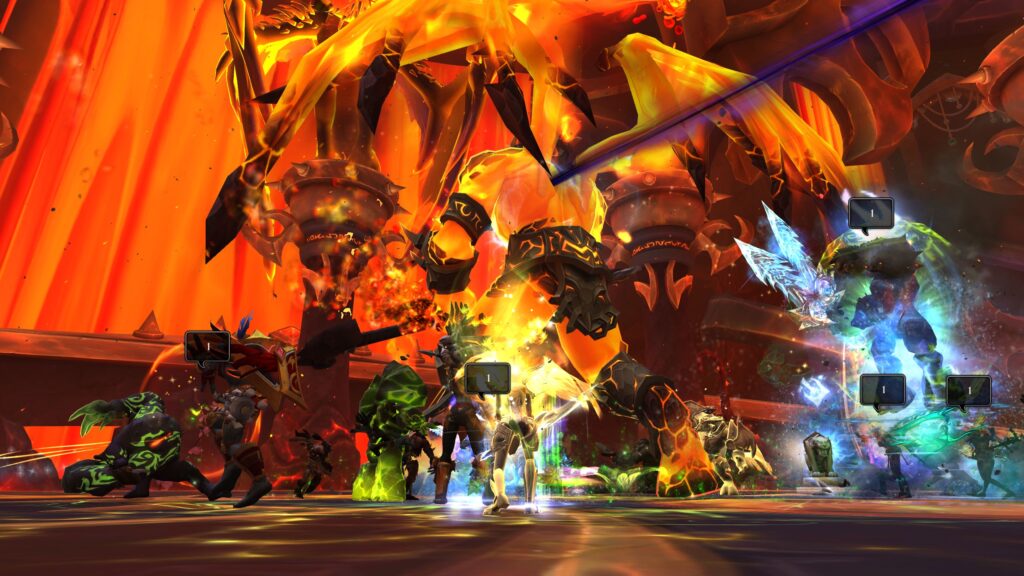
Encounter flow is another significant element. This involves the changes between different phases of a fight and how smoothly your team adapts. Every encounter has unique mechanics and pacing requirements, and understanding these can make or break your progress. If the encounter flow is well-managed, changes between phases will feel seamless, reducing downtime and unexpected setbacks.
Ultimately, mastering raid pacing requires a balance of preparation, communication, and quick decision-making. By focusing on raid rhythm and encounter flow, you’ll enhance your team’s efficiency and increase your chances of overcoming the challenges that World of Warcraft raids present.
Benefits of Proper Timing
While mastering raid pacing greatly boosts your raid team’s efficiency, the benefits of proper timing extend even further. In the heat of the battle, impeccable timing enhances not just your performance but the overall experience. Let’s break this down:
- Interior Communication and Real-Time Feedback: Good timing fosters better interior communication and allows you to give real-time feedback. As you work through the raid, instant feedback helps in making quick adjustments, which streamlines execution and boosts morale.
- Tactical Flexibility and Encounter Adaptability: Proper timing enhances your tactical flexibility. When your team knows exactly when to execute certain maneuvers, it adapts quickly to unpredictable situations, making you highly efficient in handling encounter adaptability. This leads to a more effective approach to each boss fight.
- Focus Strategies and Emotional Resilience: Timing variations in a raid can test everyone’s focus strategies. However, when your team understands the importance of hitting time marks, it fosters emotional resilience. You’re not just surviving but thriving under pressure, which is vital for tackling endgame content.
Managing Raid Cooldowns
Managing raid cooldowns is an important aspect of maximizing your team’s overall performance and survival. You need to master cooldown tracking to guarantee that powerful abilities are ready when needed most. Timing strategies play a key role here—knowing when to pop a shield or heal can make or break your raid’s success.
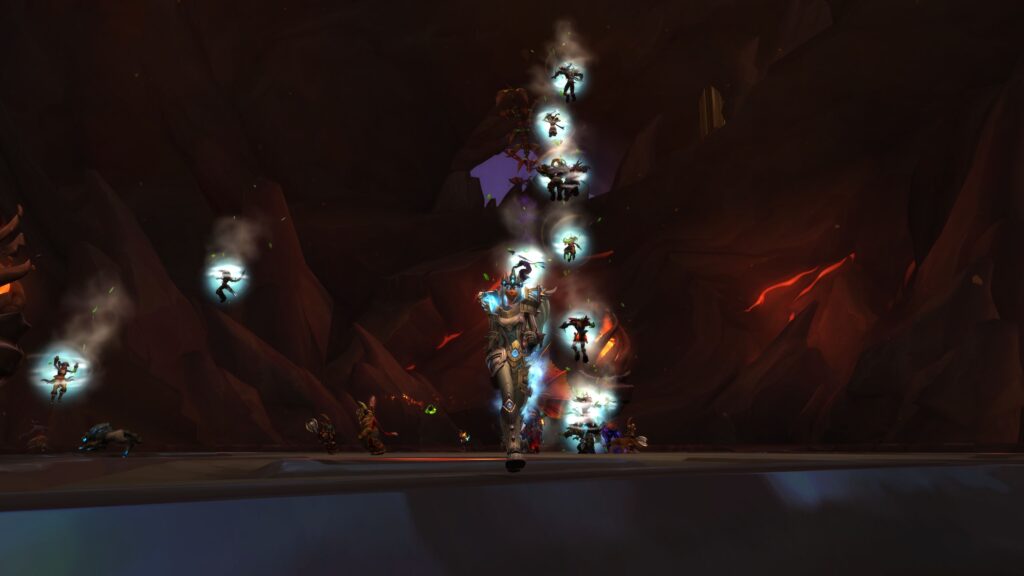
Resource management is another significant aspect. You don’t want to waste cooldowns prematurely; always aim for maximum efficiency. Role synergy also comes into play. Tanks, healers, and DPS must coordinate their abilities to enhance damage mitigation and effectiveness. Understanding each class’s strengths and weaknesses allows for better strategic decision making.
Communication techniques are essential in managing raid cooldowns. Clear and concise calls help synchronize everyone’s actions, preventing overlaps and making sure that cooldowns are used at the most critical moments. Cooldown prioritization is another important factor; decide in advance which abilities are most important for specific phases of the encounter.
Coordinating Guild Efforts
Coordinating guild efforts is essential for maintaining synchronized raid timing and ensuring efficient role allocation. You need to communicate clearly and plan meticulously to keep everyone on the same page, maximizing your raid’s potential. By allocating roles based on player strengths and ensuring everyone knows their tasks, you’ll enhance overall performance and achieve smoother progress.
Synchronized Raid Timing
In a successful World of Warcraft raid, synchronized timing is essential to guarantee all guild members are on the same page. Achieving this requires meticulous planning and execution. Synchronized attacks make certain the highest damage output, and timing strategies prevent overlaps that could lead to premature wipes.
Consider these key elements for peak synchronization:
- Raid Schedule: Keeping a consistent raid schedule helps maintain team rhythm. It guarantees everyone is present and prepared, enhancing overall performance enhancement.
- Ability Synchronization: Timing abilities during boss encounters can maximize effectiveness. For instance, coordinating cooldowns and buffs precisely can turn the tide of the battle.
- Encounter Timing: Understanding and reacting to encounter timing is critical. Knowing when a boss will perform abilities allows for boss encounter synchronization, helping your team react in unison.
Efficient Role Allocation
Synchronized raid timing sets the stage for peak performance, but guaranteeing every guild member knows their role is equally essential for a successful raid. Efficient role allocation hinges on role synergy and responsibility balancing. You’ve got to recognize each player’s strengths and match them to the appropriate tasks. The synergy between tanks, healers, and DPS (damage dealers) can make or break your raid. Assigning roles isn’t just about filling slots; it’s about leveraging individual skills to enhance overall group performance.
In practical terms, effective responsibility balancing allows you to mitigate risks and maximize efficiency. If one player is stronger at crowd control, another excels in damage output, and yet another is proficient at healing, your group’s combined efforts become formidable. It’s critical to keep open lines of communication to guarantee everyone is clear about their duties and can quickly adapt to changing scenarios within the raid.
Moreover, regular debriefs after raids can help you refine your role allocation strategy. Evaluating performance and making data-driven adjustments will foster continuous improvement. This meticulous approach to role assignment not only boosts raid success but also elevates your guild’s cohesion and morale.
Adapting to Raid Mechanics
Successfully maneuvering the complexities of raid encounters in World of Warcraft requires players to adeptly adapt to raid mechanics. Steering through these encounters means recognizing the importance of mechanic adaptation and timing strategies. You’ll need to master player synergy as each raid encounter is designed with unique encounter dynamics. Here’s a breakdown to help you improve:
- Team Communication: Effective communication is key in managing phase changes and guaranteeing that all players are aware of their positioning and ability timing. Clear instructions and feedback help fine-tune your group’s responses.
- Skill Execution and Role Flexibility: Raid mechanics often demand precise skill execution and the ability to switch roles as required by the encounter. Being flexible and proficient in multiple roles can often mean the difference between success and failure. Confirm every team member is capable of adapting their playstyle based on the raid’s needs.
- Timing Strategies: Understanding and predicting when key abilities will occur allows you to coordinate defensive cooldowns and offensive bursts. This means developing a sharp sense of timing to effectively steer through encounter dynamics.
Adapting to these raid mechanics not only enhances your team’s performance but also paves the way for a more enjoyable and less stressful raiding experience.
Mitigating Player Burnout
Steering through the exhilarating yet demanding world of raiding in World of Warcraft, players often face the looming threat of burnout amidst the intense coordination and repeated attempts. Sustaining raid enthusiasm and player engagement is essential but challenging. You must keep an eye on mental health, making sure the game remains fun. Recognizing burnout triggers, like prolonged stress or monotonous tasks, is your first step to mitigation.
Recovery strategies are important. Mixing up activities can reinvigorate players; switching from raids to other content adds activity variety and keeps things fresh. Environmental factors also matter—consider the comfort of your gaming setup, as it contributes to overall well-being.
Good communication practices are crucial for maintaining social dynamics within your raid group. Openly discuss feelings of fatigue or stress and be proactive in offering support. Schedule flexibility guarantees no one feels trapped in a rigid timetable.
Ultimately, balancing these elements will help stave off burnout, keeping your raiding team active and engaged. In World of Warcraft, a happy, healthy player is a more effective player, guaranteeing not just success but also long-term enjoyment.
Tools and Add-ons for Pacing
Properly paced raiding in World of Warcraft heavily relies on the use of various tools and add-ons designed to streamline the experience. Leveraging the right add-ons can make a significant difference in your raid’s pacing strategies. Here are three vital categories to take into account:
- Cooldown Tracking and Situational Awareness: Add-ons like Deadly Boss Mods (DBM) or BigWigs are essential for keeping an eye on cooldowns and boss abilities. These tools provide real-time alerts that help with timing adjustments, ensuring your group can respond swiftly to encounter mechanics.
- Performance Metrics and Encounter Analysis: Tools such as Details! Damage Meter help you analyze performance metrics. Understanding where your raid members may be underperforming allows for immediate player feedback and necessary adjustments. This data is invaluable for fine-tuning your pacing strategies mid-raid.
- Communication Tools and Raid Preparation: Voice communication platforms like Discord, integrated with additional tools such as RC Loot Council, enhance coordination and raid preparation. These communication tools promote situational awareness and facilitate timely decision-making during the raid.
Incorporating these add-on recommendations into your raid setup will lead to smoother encounters and more efficient completion times. By focusing on these elements, you’ll achieve better raid pacing and overall success.
Case Studies of Successful Raids
Examining real-world examples can greatly enhance your understanding of effective raid pacing strategies. Consider the renowned guild Method’s approach to a raid. Their success isn’t accidental but stems from meticulous pre-raid preparation and detailed progression history reviews. They rigorously analyze previous encounters to refine boss fight strategies, enhancing their effectiveness each time.
You’ll notice their strong focus on communication protocols. Clear and consistent communication guarantees everyone’s on the same page, minimizing confusion during complex fights. Method also emphasizes team synergy dynamics; a well-coordinated team can dramatically alter the pace and success of a raid.
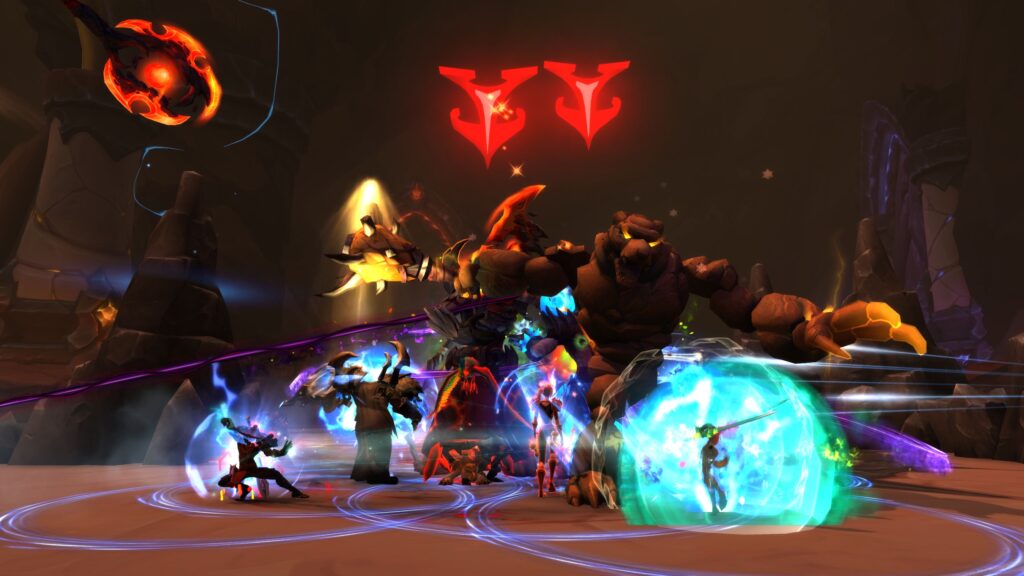
Progress tracking techniques are another crucial element. By consistently reviewing their objectives and encounters, they maintain a strategic overview, helping them identify and address weak points promptly. Encounter analytics also play a pivotal role, allowing them to adapt and improve boss fight strategies in real-time.
Additionally, loot distribution methods are carefully managed to optimize team performance. Everyone’s role within the fight is specified clearly, guaranteeing each member knows precisely what’s expected. Strategy refinement sessions post-raid help them tweak and perfect their approach, setting the stage for even smoother future runs. This holistic strategy guarantees consistent and successful raid outcomes.
Frequently Asked Questions
What Are the First Steps in Organizing a New Raid Team From Scratch?
The first step in organizing a new raid team is to establish clear communication channels. Use platforms like Discord or Slack for seamless coordination. Next, set up role assignments by identifying players’ strengths and preferences, ensuring balanced DPS, tanks, and healers. It’s essential to maintain open communication and adapt as needed, ensuring everyone stays engaged and understands their responsibilities. This foundational approach will set your team up for success.
How Can Loot Distribution Impact Raid Pacing and Overall Morale?
Loot distribution can greatly impact raid pacing and overall morale. When you guarantee loot fairness, every member feels their efforts are recognized, leading to morale boosts. Fair loot systems prevent downtime caused by disputes, keeping the raid moving smoothly. Conversely, unfair distribution breeds discontent, slowing progress and harming team spirit. Balancing rewards guarantees everyone stays engaged and motivated, optimizing both your raid’s efficiency and morale.
What Are Effective Methods for Resolving Conflicts During Raids?
When the storm of raid conflicts brews, effective communication techniques are your anchor. Establish clear channels and encourage open dialogue to defuse tensions. Active listening is key—it’s your sword and shield in conflict resolution. Facilitate a fair discussion, ensuring all voices are heard. Use neutral language to mediate disputes. By fostering a culture of respect and transparency, you’ll maintain morale and keep your raid team united and focused.
How Do Time Zones Affect International Raid Groups?
Time zones can complicate international raid groups. You need time zone coordination to guarantee everyone can participate. Raid schedule optimization is vital; set times that accommodate different regions. Communication helps: use tools to sync calendars and send reminders. Flexibility is key, allowing for occasional adjustments. By considering members’ time zones, you can enhance participation and performance, guaranteeing smoother raids and happier players. Don’t underestimate the power of good planning!
What’s the Best Strategy to Recruit Skilled Raiders Consistently?
To recruit skilled raiders consistently, think of your guild as a garden. Utilize recruitment channels diligently, nurturing each candidate through thorough skill assessments. Guarantee player retention by fostering strong community engagement. Aim for class diversity to fill essential raid roles, like planting a variety of flowers to create a vibrant display. Cultivate a welcoming atmosphere, encouraging members to grow and contribute to a thriving, balanced raiding team.
Conclusion
By chance, you stumble upon the perfect raid pacing, and suddenly, everything clicks. Your guild works in harmony, cooldowns sync up effortlessly, and each encounter feels fluid and manageable. It’s not just luck, though—it’s the culmination of understanding, proper timing, and dedicated effort. Next time you’re in Azeroth, remember that with the right pacing, your team can conquer any raid, avoiding burnout and achieving success. Well-paced raids are more than strategy; they’re your guild’s lifeline.
Like what you read? There’s more where that came from!