
Developers work hard to create fair gameplay, ensuring you’ve got equal chances to succeed without spending real money. It’s important to understand how to acquire and use game items effectively. Improving your skills and strategizing can outmatch financial investments. Games match you with players of similar skill, keeping competition fair. In-game, earning currency allows access to better gear.
Stay updated on game changes to adapt your strategies. Mastering new mechanics and character builds will enhance your play. By focusing on skill development and strategic planning, you’ll navigate games more successfully. There’s much more to uncover with deeper exploration.
Key Takeaways
- Developers strive to ensure game items essential for progress are equally accessible to all players, enhancing fairness.
- Matchmaking algorithms are crucial for pairing players of similar skill levels, maintaining competitive balance in online games.
- Managing in-game economies involves limiting real-world money impact, ensuring success relies on skill, not financial investment.
- Implementing and monitoring a fair trading system among players is vital to prevent exploitation and maintain game balance.
- Addressing community feedback and testing changes before implementation are key to adjusting game dynamics fairly and effectively.
Defining Fair Gameplay
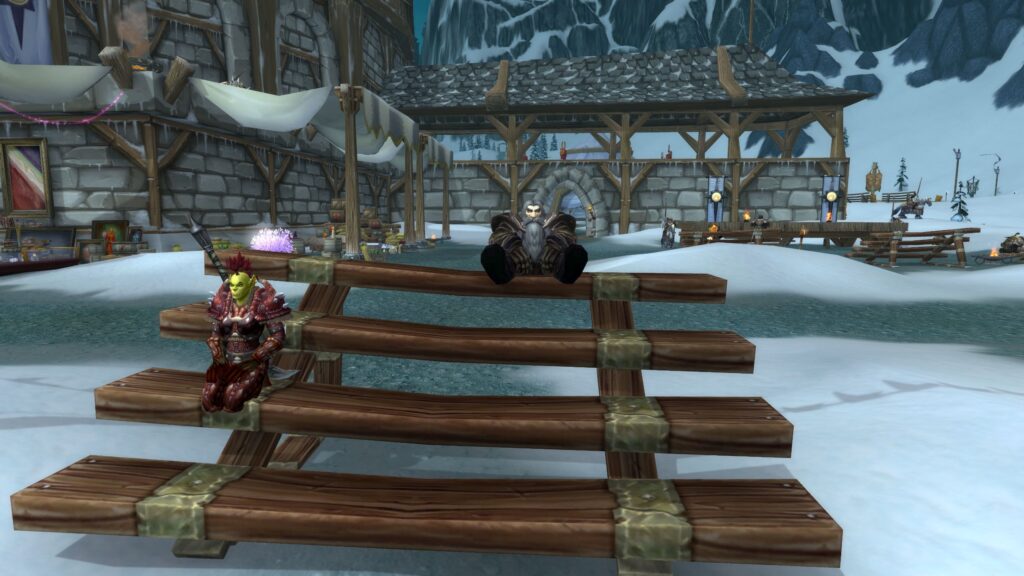
Before delving into the intricacies developers face, it’s vital to grasp what fair gameplay entails. For game companies like Activision Blizzard, the creators behind popular online role-playing games, ensuring fairness involves a meticulous balance. Specifically, Blizzard Entertainment, known for their work on WoW (World of Warcraft), must constantly tweak and adjust game items and rules to maintain this balance.
Fair gameplay, in the eyes of WoW developers, means providing an environment where every player has an equitable chance to succeed, irrespective of the amount of real money spent or the time invested in the game. This concept extends to ensuring that game items, essential for progressing in these vast online worlds, are accessible through gameplay achievements rather than just through purchase.
For you as a player, understanding this balance is critical. It’s not just about having the strongest armor or weapon, but how these items are acquired and utilized within the game’s universe. Game companies like Blizzard Entertainment invest significant resources into monitoring and adjusting this balance, working to keep the playing field level. This ongoing effort underscores the complexity of crafting fair gameplay, a foundational element that keeps games like WoW engaging and competitive for all players.
Balancing Player Skill Levels
Understanding fair gameplay’s foundation leads us to examine how developers manage varying player skill levels to maintain balance. Game makers, like Riot Games, use intricate algorithms within the game client to assess and match players in online games. This guarantees that you’re not constantly overpowered or underwhelmed, maintaining an engaging and fair experience.
| Strategy | Description |
|---|---|
| Matchmaking | Online games use matchmaking algorithms to pair you with and against players of similar skill levels. |
| Game Currency | Accumulating game currency allows you to access better gear or characters, which can help level the playing field. |
| Adding Additional Players | Games often introduce additional players to balance teams, ensuring one side isn’t overwhelmingly stronger than the other. |
These mechanisms guarantee that each match you immerse yourself in feels competitive yet fair. It’s not just about immersing yourself in the next available game; it’s about analyzing player data to create balanced encounters. So, when you load up your game client, remember that a lot of work goes into guaranteeing the competition you face is just right for your skill level. This attention to balance keeps online games engaging and challenging for everyone, regardless of their experience.
Addressing In-Game Economics
Diving into in-game economics, we’ll explore how managing virtual currencies and assets impacts fair gameplay. You’ve got to understand that the in-game economy isn’t just about accumulating wealth; it’s about guaranteeing that all players, regardless of their spending habits, have access to a fair and enjoyable experience. This means developers must carefully balance how virtual currencies and assets are distributed throughout the game.
To keep the playing field level, consider implementing mechanics that limit the impact of real-world money. For instance, valuable items that can greatly affect gameplay should be attainable through in-game achievements, not just by opening one’s wallet. This approach encourages players to engage more deeply with the game, honing their skills and strategies rather than relying on financial shortcuts.
Moreover, introducing a trading system between players for in-game assets can foster a community-centric economy. However, you’ll need to monitor these exchanges closely to prevent exploitation and ensure that transactions don’t skew the game’s balance. Remember, the goal is to craft an environment where success is determined by skill and strategy, not by who has the deeper pockets.
Managing Community Feedback
How do you effectively handle the myriad of opinions from your player base while making sure the game remains fair and enjoyable for everyone? Firstly, it’s important to establish clear channels for feedback, such as forums, surveys, and direct support lines. This approach enables you to gather a wide range of player experiences and concerns. Implementing a transparent system where players can see that their feedback is acknowledged and considered fosters a sense of community and trust.
Prioritizing feedback is your next step. Not all feedback will be actionable or beneficial to the game’s balance. You’ve got to differentiate between what’s a personal preference and what could genuinely improve gameplay for the majority. Sometimes, it’s about finding a compromise that doesn’t alienate any portion of your player base.
Lastly, testing changes before full implementation is key. Small-scale rollouts or beta testing environments allow you to gauge the impact of adjustments and make sure they contribute positively to the game’s fairness and enjoyment. This iterative process, combined with constant communication about why changes are made, helps keep your community engaged and informed, reducing resistance to adjustments and fostering a collaborative atmosphere.
Evolving Game Dynamics
As game landscapes change, it’s important you adjust to guarantee fairness and enjoyment for all players. Evolving game dynamics mean that strategies that once secured victory may no longer be as effective. You’ve got to stay on your toes, constantly learning and adapting to maintain an edge over your opponents.
For starters, keep an eye on game updates. Developers often tweak game mechanics to ensure balanced play, which can drastically alter effective strategies. If there’s a nerf to a weapon you’ve been relying on or an enhancement to an underused character, you need to know.
Understanding the meta is critical. This refers to the current consensus on the most effective ways to play the game. By staying informed about the meta, you can anticipate popular strategies and counter them effectively. This might involve experimenting with different character builds, weapon combinations, or play styles to find what works best against the prevailing trends.
Don’t forget to practice. As dynamics shift, so does the skill set required to excel. Invest time in mastering new mechanics or strategies. This could mean dedicating sessions to improving your aim, learning to exploit newly discovered map glitches, or mastering a character that’s become more viable due to recent changes.
Frequently Asked Questions
How Do Developers Measure the Psychological Impact of Gameplay Fairness on Player Retention and Satisfaction?
You’ve gotta wonder how developers figure out if fair gameplay actually keeps players around and happy. They use surveys, player feedback, and data analysis to measure the psychological impact on retention and satisfaction.
In What Ways Can Developers Use Machine Learning and AI to Predict and Adjust for Unforeseen Imbalances in Gameplay?
You’re tackling a tough challenge! Developers can use machine learning and AI to analyze vast amounts of gameplay data, predicting imbalances and adjusting in real-time, ensuring a fair and engaging experience for everyone.
What Ethical Considerations Come Into Play When Designing Monetization Strategies That Intersect With Gameplay Fairness?
When you’re designing monetization strategies, you’ve got to think about fairness. It’s essential to balance making money with keeping the game fair. Ethical considerations shouldn’t be overlooked; they’re key to player trust and satisfaction.
How Do Developers Balance the Demands of Competitive Esports Scenes With the Casual Player Base in Terms of Gameplay Fairness?
You’re walking a tightrope, trying to keep both the esports pros and casual gamers happy. It’s like balancing spices in a recipe; too much or too little, and you’ll disappoint someone’s taste.
Can Player-Driven Content (Like Mods or Custom Maps) Significantly Disrupt the Balance of Gameplay, and How Do Developers Manage or Integrate Such Content?
Yes, player-driven content can disrupt gameplay balance, but developers often monitor, adjust, or integrate these mods to maintain fairness. They’re balancing creativity with gameplay integrity, ensuring everyone’s enjoying the game without compromising its core mechanics.
Conclusion
As you’ve journeyed through the intricacies of game development, remember, mastering fair gameplay is a relentless challenge for developers. To conquer your virtual foes, stay sharp, adapt strategies, and leverage every skill and tool at your disposal. Keep an eye on game updates and community forums for insights and tactics. Your victories on the battlefield are shaped by the careful balance struck by developers, ensuring every win is hard-fought and every defeat a lesson. The game evolves, and so should you.