
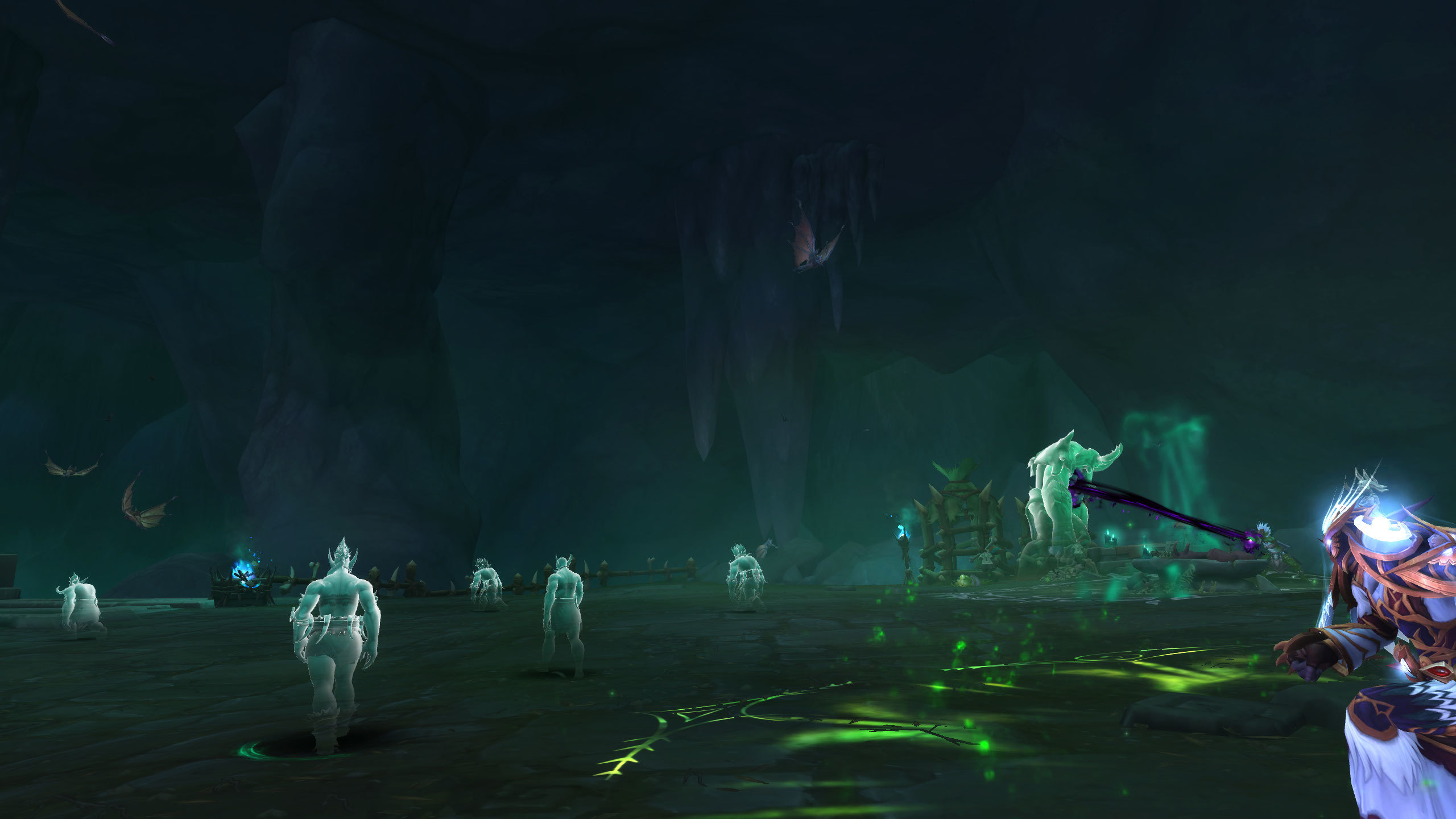
The Siege of Orgrimmar stands as one of the most pivotal moments in World of Warcraft lore, encapsulating the struggle between the ideals of honor and the thirst for power. As players, we were thrust into a conflict that not only challenged our characters but also our understanding of what it meant to be part of the Horde. Garrosh Hellscream’s actions led to a series of events that escalated tensions within the faction and ultimately put the very future of Azeroth at risk. This guide delves into the reasons behind the necessity to dethrone Garrosh, exploring the lore that fueled this epic confrontation.
The Rise of Garrosh Hellscream
Garrosh Hellscream’s ascent to the position of Warchief marked a significant turning point for the Horde. Following the Cataclysm, he adopted a militaristic approach and rallied the orcish clans under a banner of aggression and dominance. However, his leadership was characterized by a series of reckless decisions that alienated many of the Horde’s allies, including the trolls and the forsaken. The introduction of the Sha in Pandaria further corrupted Garrosh, fueling his ambitions and leading to a more authoritarian regime. The shift from Thrall’s vision of a united Horde to Garrosh’s brutal expansionism raised concerns among the faction’s leaders and its members.
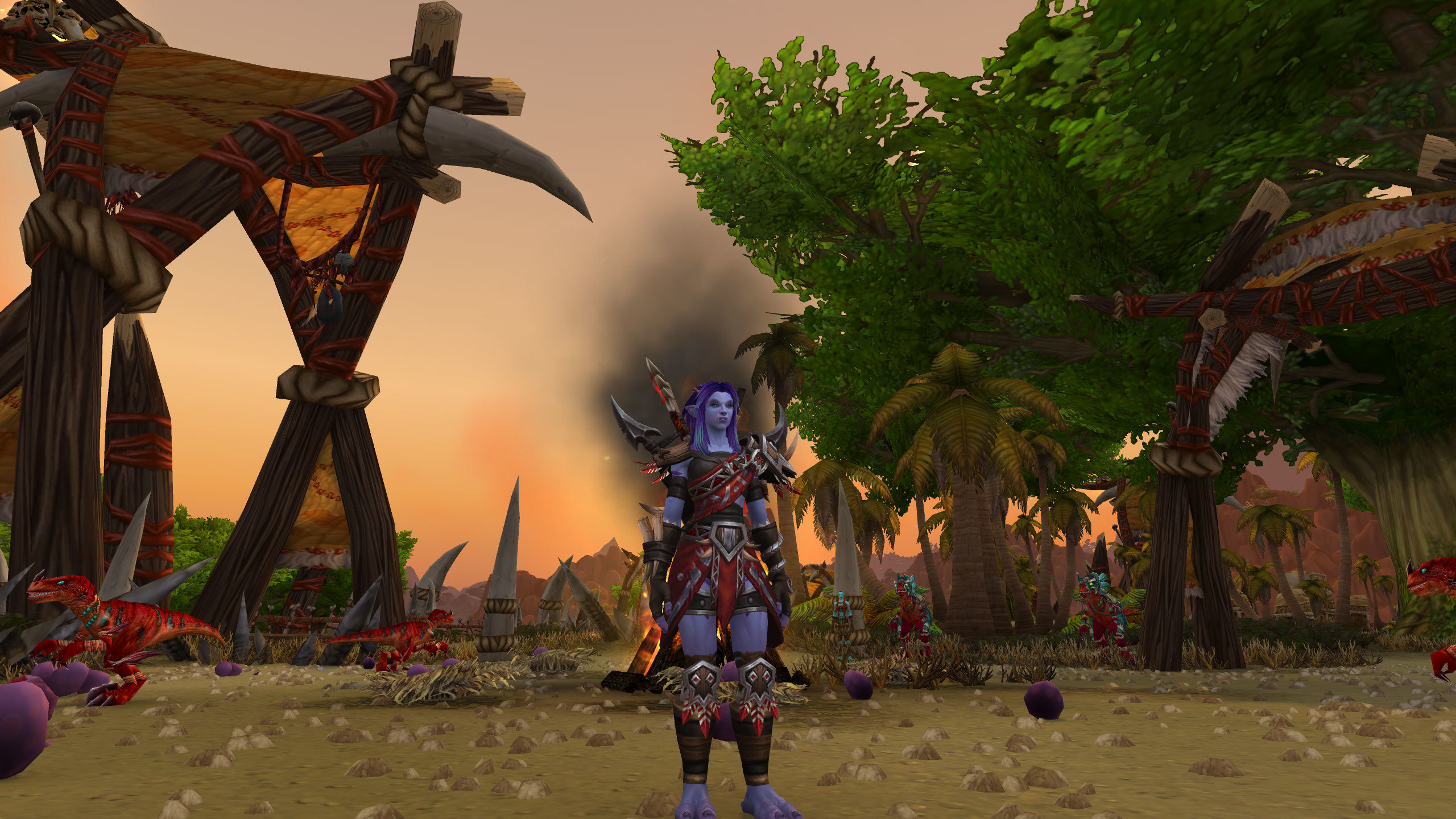
The Tides of War: Conflict with the Alliance
Garrosh’s aggressive tactics inevitably led to a rekindling of hostilities with the Alliance. The invasion of the Vale of Eternal Blossoms and the subsequent theft of its resources represented a blatant act of war that disregarded any semblance of diplomacy. The Alliance was not merely a rival faction; they represented a chance for peace that Garrosh was willing to sacrifice for his vision of a greater Horde. This conflict escalated tensions and resulted in devastating battles, leading to significant losses on both sides. The Siege of Orgrimmar was not just a raid; it was a culmination of years of bloodshed and treachery that necessitated a unified front against a common enemy.
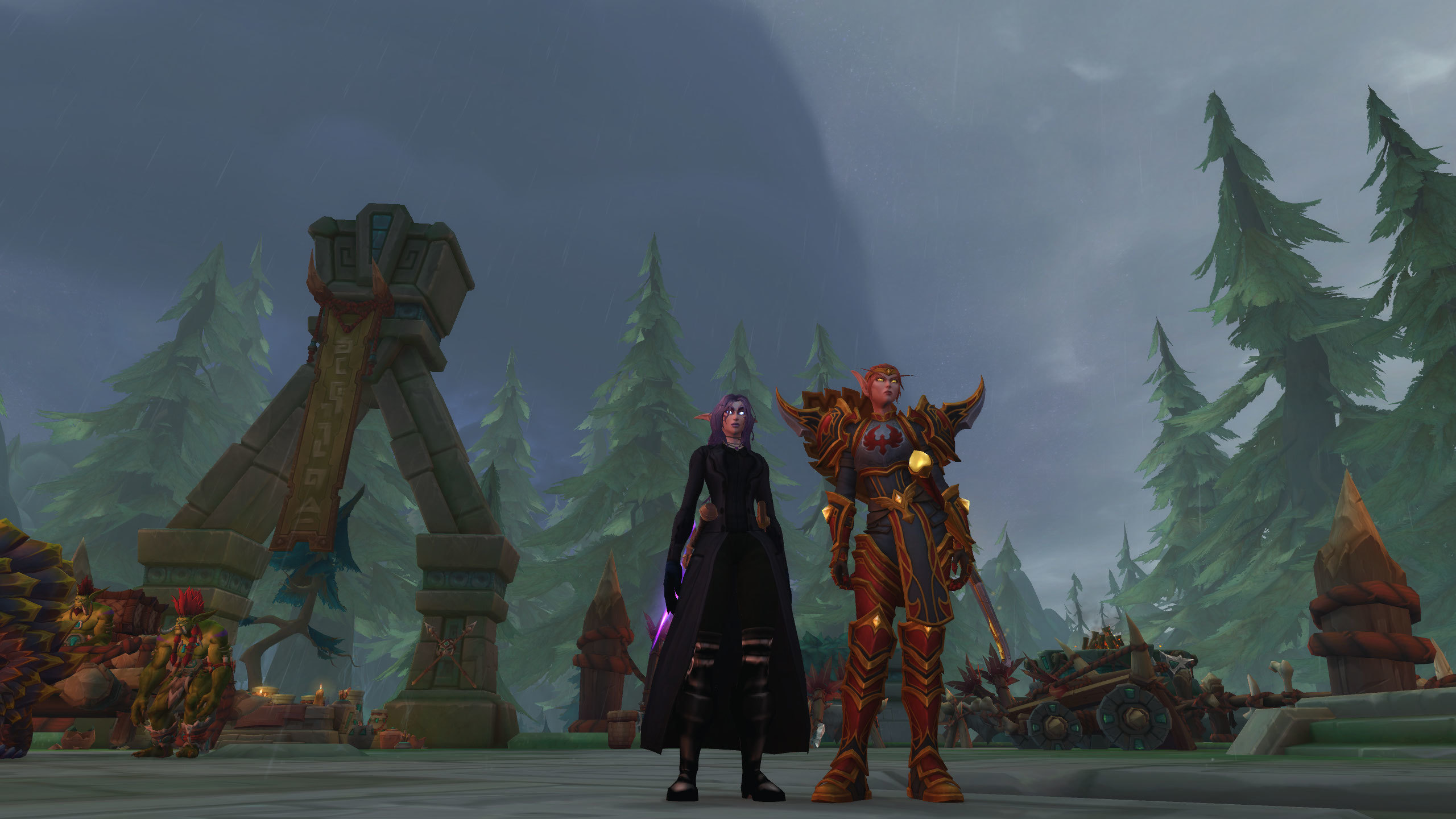
Allies Turned Enemies: The Formation of the Alliance Against Garrosh
As Garrosh’s tyranny grew more pronounced, former allies began to conspire against him. Leaders such as Vol’jin, Baine Bloodhoof, and Lor’themar Theron realized that Garrosh’s continued reign posed a threat not only to their races but to the very existence of the Horde. The pivotal moment came when they agreed to stage a coup, culminating in the formation of a rebel faction known as the “Darkspear Rebellion.” This alliance of unlikely partners showcased the fractures within the Horde and the necessity of collaboration to end Garrosh’s reign. Without this united front, the Siege of Orgrimmar may have never occurred, and the fate of Azeroth could have been drastically different.
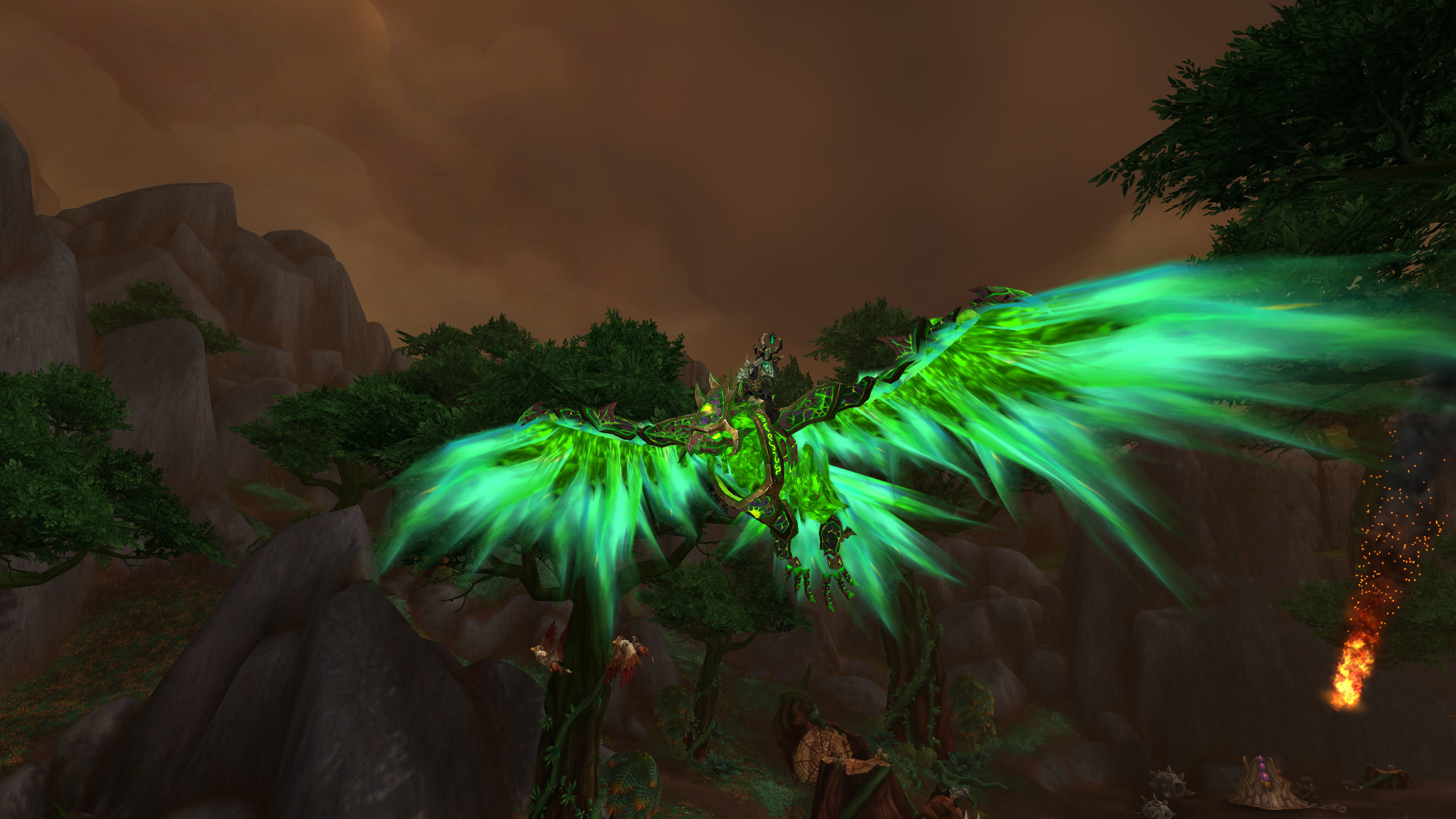
The Siege: Strategy and Execution
The Siege of Orgrimmar required meticulous planning and cooperation among various factions. Players would engage in multiple stages of the raid, each requiring specific strategies and teamwork to overcome Garrosh’s defenses. The raid mechanics were designed to mirror the tensions and complexities of the conflict, with players needing to navigate through enemies while managing aggro and utilizing line of sight (LoS) to their advantage. Below is a table that outlines the major bosses encountered during the Siege, along with their respective abilities and loot drops:
| Boss Name | Abilities | Loot Drops |
|---|---|---|
| Immerseus | Corrupted Water, Cleansing Waters | Token of the Forgotten, Heirloom Gear |
| Shadows of the Empire | Rupture, Shadow Burst | Legendary Items, Gear Upgrades |
| Garrosh Hellscream | Warlord’s Challenge, Whirlwind | Tier Gear, Artifact Power |
The Aftermath: A New Path for the Horde
The defeat of Garrosh led to a significant shift in the dynamics of the Horde. His downfall allowed for a reevaluation of the faction’s principles and a return to the ideals of unity and honor. Vol’jin’s appointment as Warchief signified a new beginning, as he sought to mend the rifts caused by Garrosh’s tyranny. The Siege of Orgrimmar not only served as a turning point in the narrative but also highlighted the importance of leadership and the collective responsibility of the Horde’s members. As players, we witnessed a transformation that emphasized collaboration over conquest, setting the stage for future conflicts and adventures in Azeroth.